-
Improved Paint Adhesion
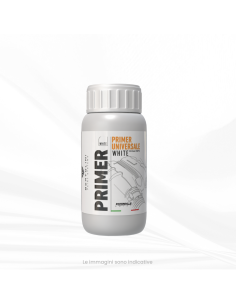
Primer acts as an intermediate layer that improves the adhesion of the paint to the engine metal or to the metal of other components. Engines are usually made of materials such as aluminum or cast iron, which can have surfaces that are difficult to paint directly. Primer creates a more uniform and grippy surface, allowing the paint to adhere better and reducing the risk of flaking and peeling over time. In addition, primer builds and increases the final thickness of the paint and enhances its resistance to chemical agents such as gasoline. Finally, primer is always needed even if the parts are already painted, to ensure that the new paint cannot react badly with the old one.
-
Protection Against Corrosion
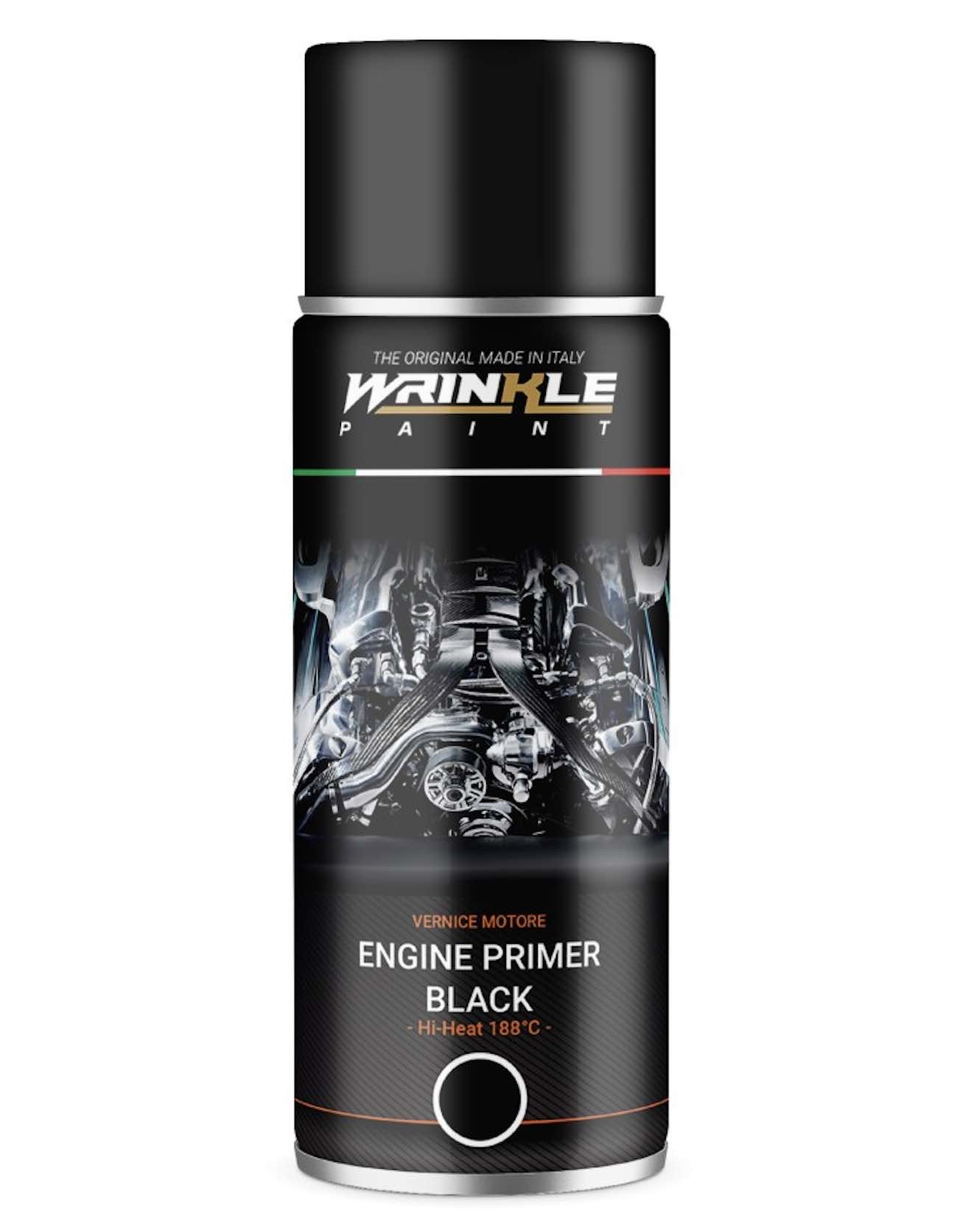
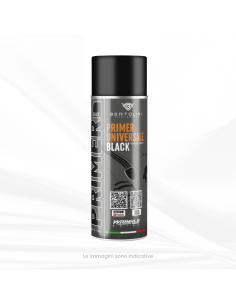
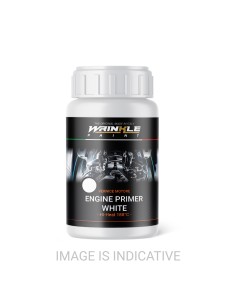
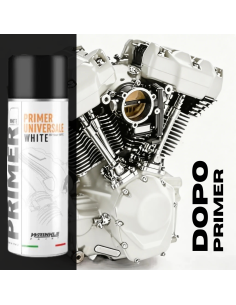
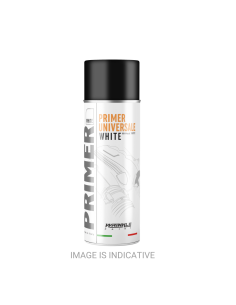
The engine is exposed to extreme conditions, including moisture, heat and aggressive chemicals. A high‑quality primer offers additional protection against corrosion by creating a barrier between the metal and external elements. This is particularly important to prevent rust and extend the service life of the engine. In particular, at Kustomservice we have developed a spray‑can primer that gives high resistance to the paint applied over it and has strong anti‑corrosive power on metal and light alloys. It is extremely useful for engines and brake calipers; we invite you to take a look at our website.
-
Surface Uniformity
Applying primer helps create a smoother and more uniform surface. It also creates a background color as a base so that the final color can appear accurate and perfectly even. This is crucial for achieving a professional finish with the paint. Primer fills small imperfections, scratches and porosity in the metal, allowing the paint to be applied evenly. Without primer, these imperfections could become much more visible after painting, compromising the appearance of the job.
-
Increased Paint Durability
Using a suitable primer can significantly increase the durability of the paint. Paint applied directly to metal tends to deteriorate more quickly due to exposure to high temperatures and chemicals. Primer provides a protective layer that reduces paint wear, keeping the engine looking good for longer.
-
Resistance to High Temperatures
Primers specifically designed for engines are formulated to withstand high temperatures. This is essential, considering that engines can reach very high temperatures during operation. A heat‑resistant primer ensures that the paint remains adherent and does not degrade under the effect of heat. WARNING! Primer should never be used on motorcycle or car exhausts because the specific paint for exhausts works differently.
-
Prevention of Chemical Reactions
Some metals can react chemically with paint, causing issues such as discoloration or flaking. Primer acts as a chemical barrier that prevents these reactions, ensuring that the paint maintains its color and adhesion over time.
-
Surface Preparation
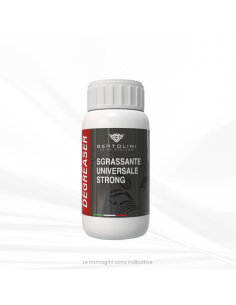
Before applying primer, it is essential to properly prepare the engine surface. This includes thorough cleaning to remove grease, oil and dirt, which must be done with our product, and sanding to create a slightly rough surface that promotes primer adhesion. Surface preparation is a crucial step that must not be overlooked in order to obtain the maximum benefit from the use of primer.
-
Easier Paint Application
Using primer makes paint application easier and more uniform. With primer, the paint spreads better and requires fewer coats to achieve complete, even coverage. This not only improves the final appearance, but also reduces the time and cost of the painting job.
Conclusions
Using primer before painting an engine is not just a recommendation, but a necessity for anyone who wants to achieve long‑lasting, high‑quality results. Primer improves paint adhesion, protects against corrosion, creates a uniform surface, increases paint durability, resists high temperatures, prevents chemical reactions and makes paint application easier. Investing time and resources in applying primer is a crucial step to ensure that your engine not only looks its best but also withstands the challenges of time and the environment. For further technical details and recommended products, it is helpful to consult the specific guides provided by manufacturers of engine paints and primers, which offer detailed information on best practices and materials to use.